
THE HORSE CODE
By Jesse Kent
The Horse Code is written for the horse owner who feels that the usual explanations have never fully made sense, and that something about the way horses are normally understood and worked with has never fully felt right. If a horse is spooky, reactive, shut down, aggressive, or only reliable inside a familiar routine, this book offers a clearer way to understand why. It explains horse behavior through stress, instinct, communication, and leadership, not through shallow labels like dominance, disrespect, or bad attitude. It also brings together the same connected system I use every day with difficult and damaged horses to help turn them into calmer, safer, bitless, willing partners. This is not a book about surface-level obedience. It is a book about real understanding, real safety, and a relationship that still holds when things stop being easy.
Inside The Horse Code
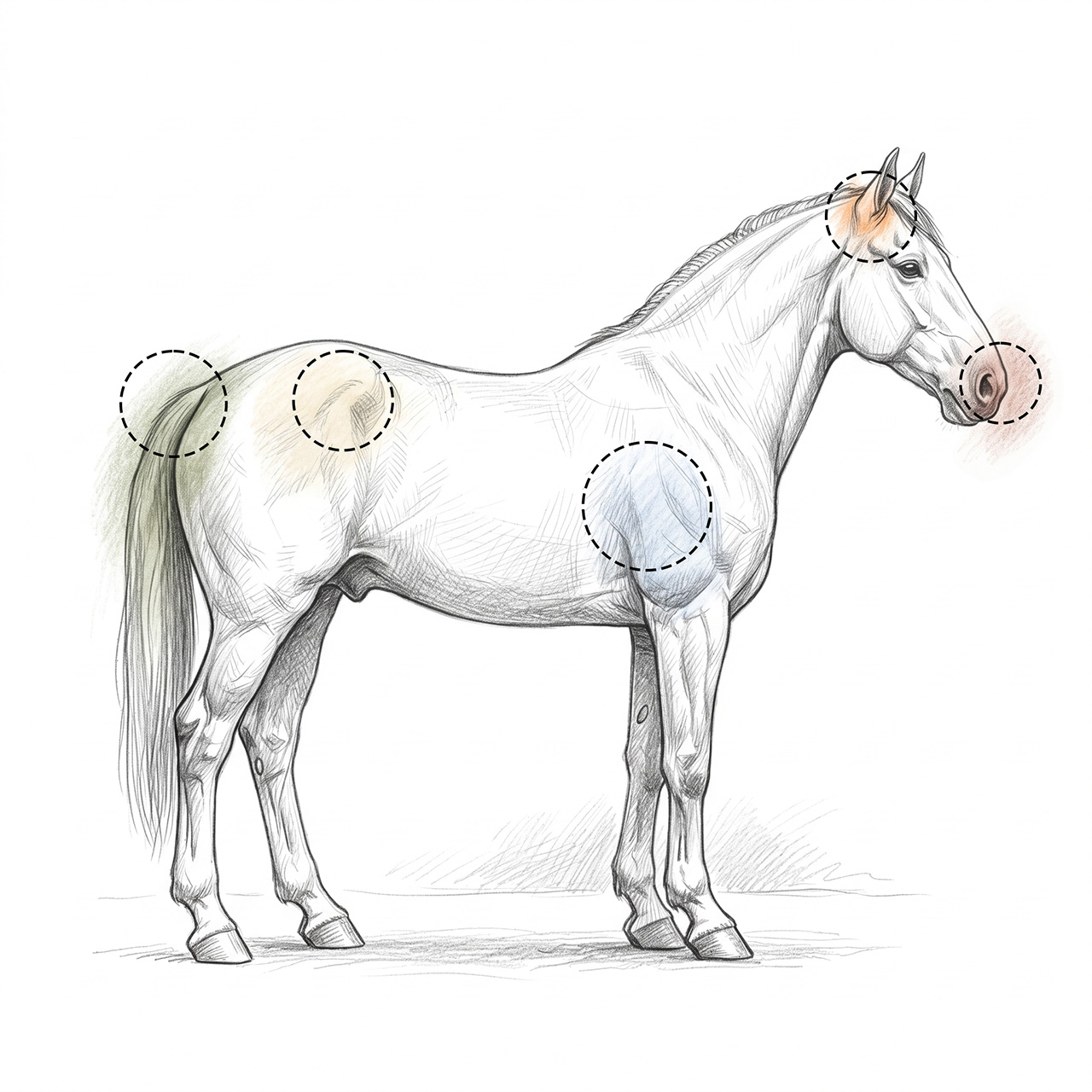
The Horse Communication System
In this section, I lay out the physical communication system I see horses using with each other every day. I break it down into Body Direction, Point Communication, Positioning, and Volume, and I explain how these signals create real meaning for the horse. This matters because most people are trying to communicate with horses through habits and cues that make sense to humans, not to horses. My goal in this part of the book is to make horse communication less vague and less mystical, and instead show it as something structured, readable, and practical. Once you start seeing these patterns clearly, the horse stops looking random and starts looking understandable.
The Three Horse Personalities
In this section of the book, I explain the three main personality tendencies I keep seeing in horses: Stubborn, Nervous, and Fighty. These are not just random labels, and they are not meant as insults. They are different survival patterns, and they shape how a horse responds when pressure rises. Some horses brace and resist. Some react fast and try to leave. Some step into pressure and challenge it. Once you understand which pattern is strongest in your horse, a lot of confusing behavior starts to make more sense, and a lot of one-size-fits-all training advice stops looking so convincing.

The Three Horse Personalities
In this section of the book, I explain the three main personality tendencies I keep seeing in horses: Stubborn, Nervous, and Fighty. These are not just random labels, and they are not meant as insults. They are different survival patterns, and they shape how a horse responds when pressure rises. Some horses brace and resist. Some react fast and try to leave. Some step into pressure and challenge it. Once you understand which pattern is strongest in your horse, a lot of confusing behavior starts to make more sense, and a lot of one-size-fits-all training advice stops looking so convincing.

Stress in Nature
Most people think stress is simply a “bad thing.” In this section, I explain why that view is too shallow. Stress is an important part of the horse’s survival design, and the real question is not whether the horse feels stress, but what kind of stress it is carrying and whether it has a healthy way to process it. I break stress down into three forms, Neutral Stress, Positive Stress, and Negative Stress, and show how these can quietly stack in the background long before a horse starts showing obvious problems. Understanding this changes how you look at behavior, because many issues that seem random are actually the result of stress that was never properly understood or released.
The Horse Stress Cycle
In this section, I explain what happens when stress enters the horse’s system and does not get a proper way out. I break the process down into the Stress Cycle, Stress Reserve, the Stress Threshold, and the Stress Limit. These ideas matter because they explain why horses often do not “suddenly” explode. In most cases, the pressure has been building for a long time before the final moment people notice. This part of the book gives readers a clearer way to understand why a horse can go from thoughtful to reactive, or from manageable to dangerous, and why behavior is often the final visible sign of a much deeper problem that has been building underneath.
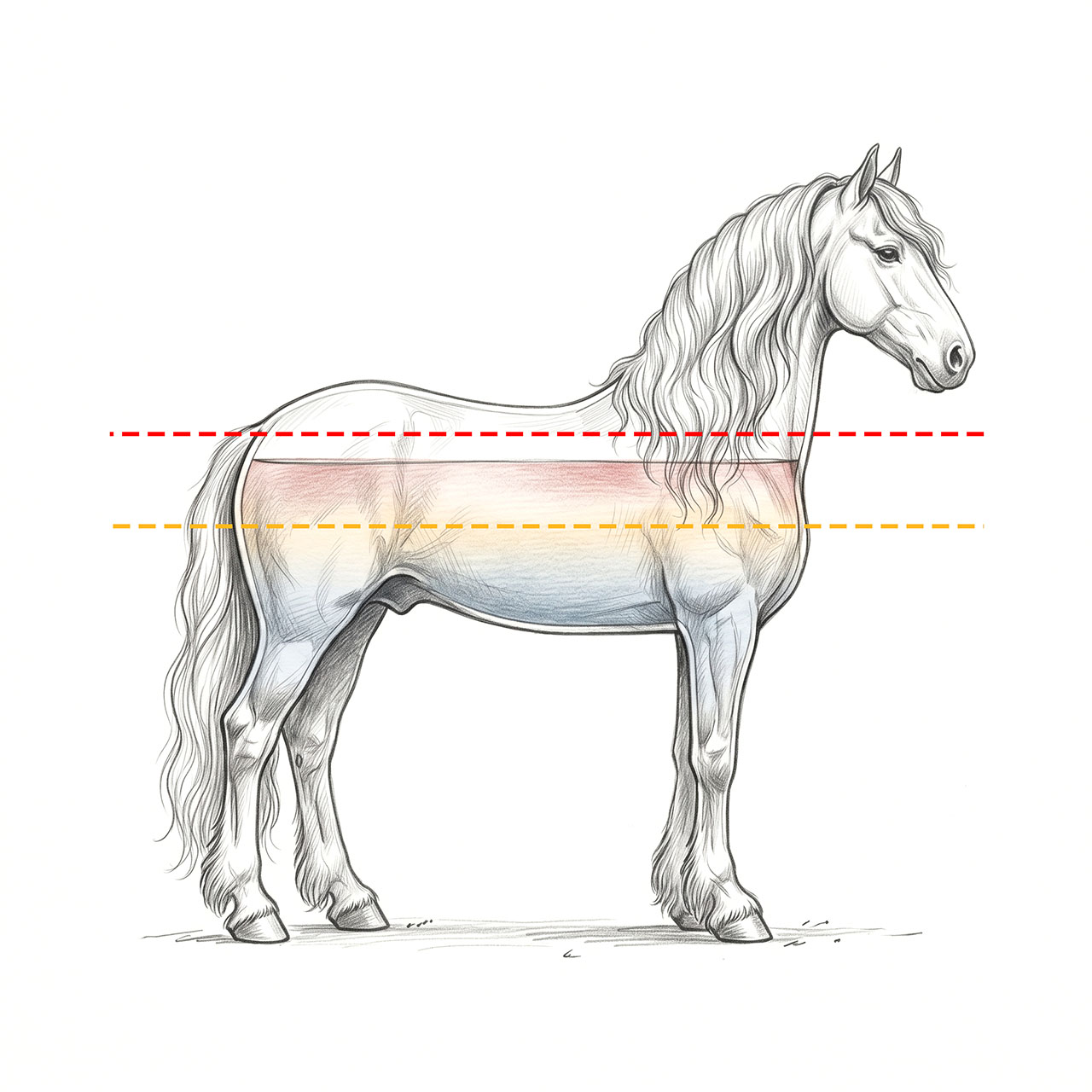
The Horse Stress Cycle
In this section, I explain what happens when stress enters the horse’s system and does not get a proper way out. I break the process down into the Stress Cycle, Stress Reserve, the Stress Threshold, and the Stress Limit. These ideas matter because they explain why horses often do not “suddenly” explode. In most cases, the pressure has been building for a long time before the final moment people notice. This part of the book gives readers a clearer way to understand why a horse can go from thoughtful to reactive, or from manageable to dangerous, and why behavior is often the final visible sign of a much deeper problem that has been building underneath.
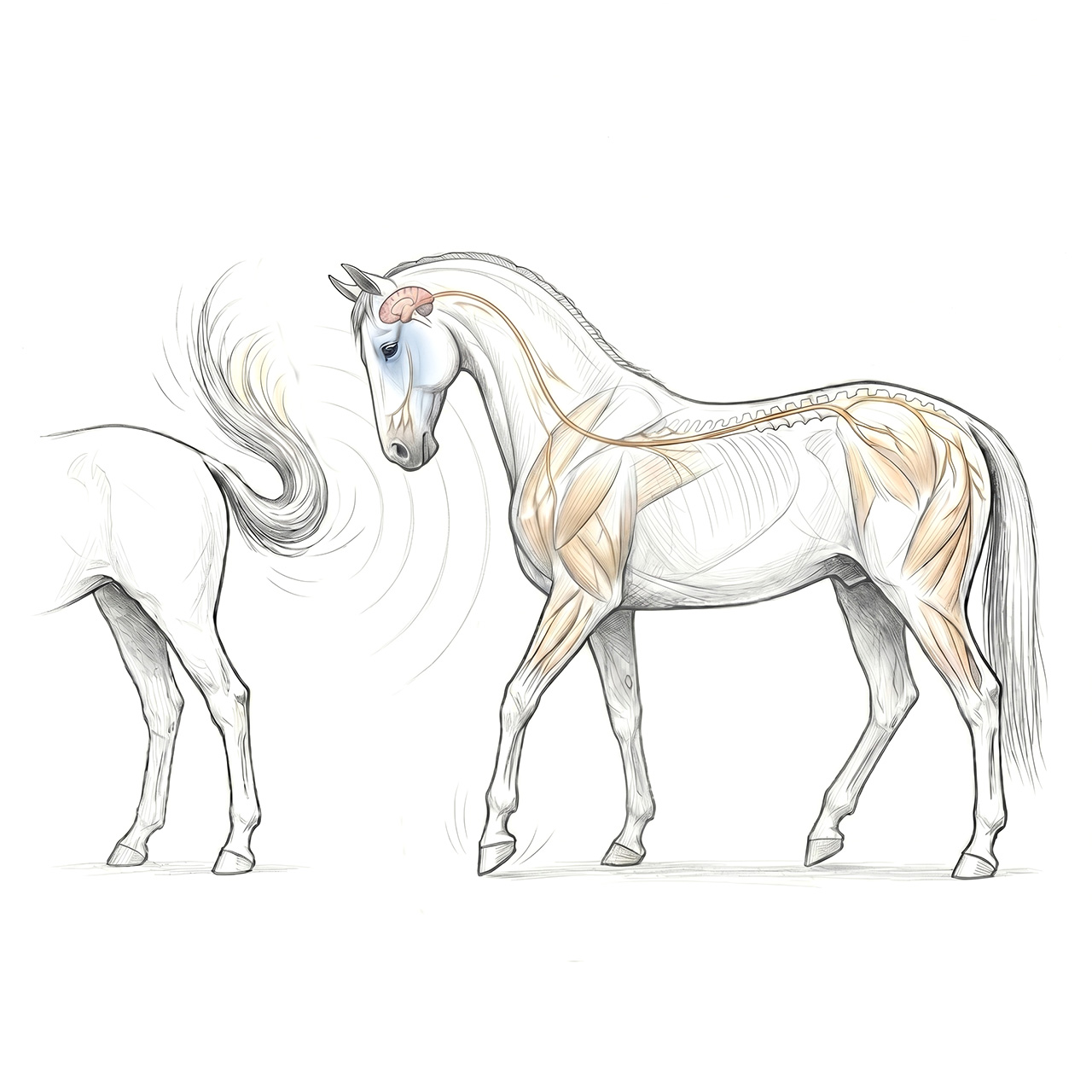
Reflex Conditioning
This section explains one of the central training ideas in the book. Reflex Conditioning is about using a fast, clear signal the horse’s body can understand before resistance has time to build. I explain why thin plastic works so well, why it connects so closely to the horse’s own communication system, and why this is very different from traditional methods that rely on force, pain, or escalating pressure. I also break down the importance of volume, placement, and timing, because the signal has to be clear enough to trigger a response without tipping the horse into survival. Done correctly, this creates cleaner communication and a more respectful kind of control.
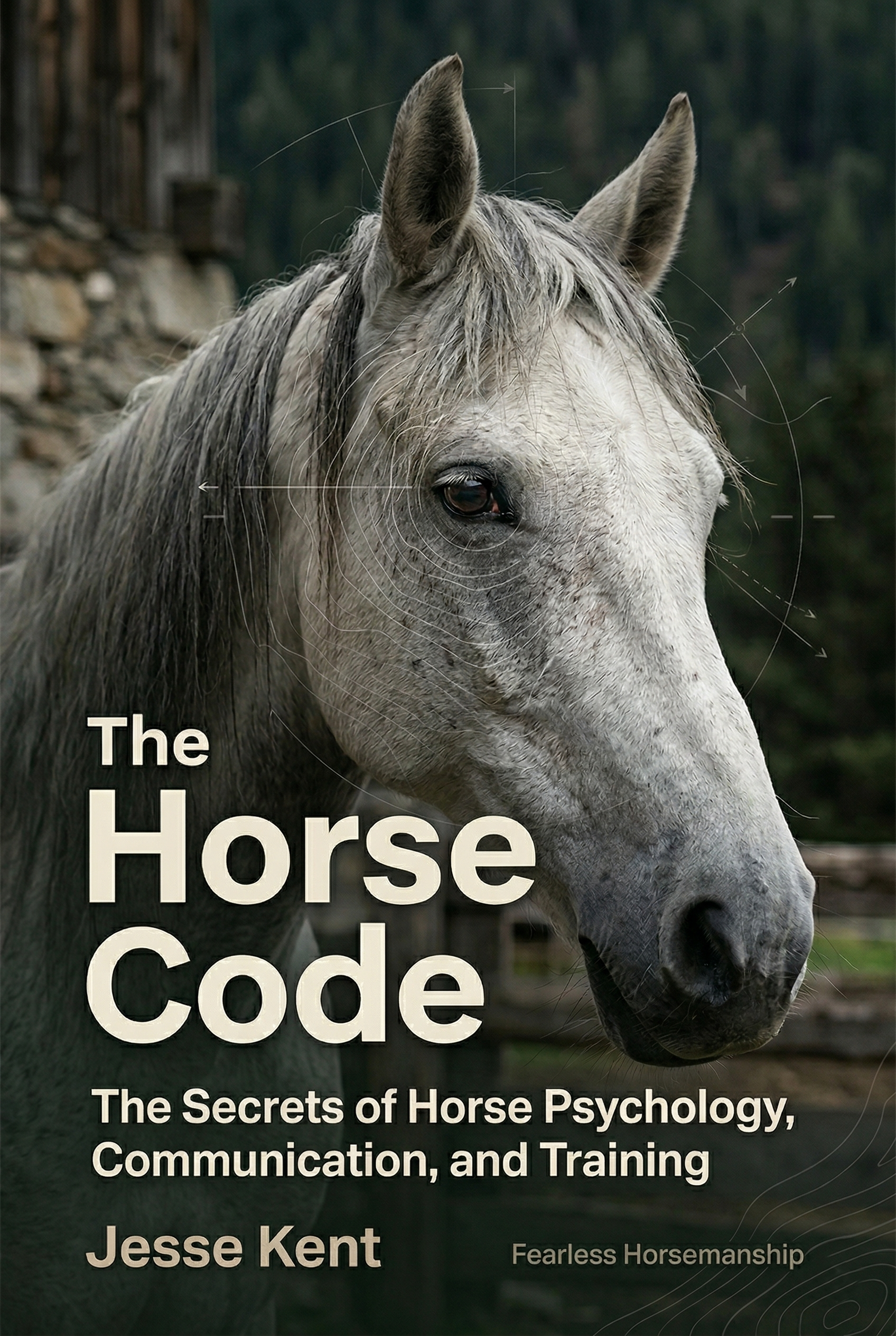
The Horse Code
The Secrets of Horse Psychology, Communication, and Training
The Horse Code is not another horse training manual dressed up as truth.
It is a direct challenge to the horse-world systems that mistake suppression for training, confusion for communication, and routine-dependent obedience for partnership. This book explains what is actually happening inside the horse when it spooks, resists, shuts down, fights, or seems fine until pressure gets real.
Built from years of working with difficult, traumatized, reactive, aggressive, and so-called unrideable horses, The Horse Code breaks horse behavior down to biology, stress, communication, and leadership. It shows how horses read pressure, how trust and respect actually get built, and why real safety does not come from bigger force, prettier theory, or tighter control.
If you have always felt that the standard explanations were too shallow, too polished, or simply false, this book gives you a different framework, one built on horse psychology, mechanical clarity, and a horse that stays with you by choice, not because it has been forced, dulled, or trained into fragile obedience.
€ 29,00
29.00 EUR gets you the full first digital edition of The Horse Code as a downloadable, English-only edition. This is the complete system, including the full book with 22 chapters and glossary, just without the added extras. By picking up this first digital edition, you’ll be among the first to understand exactly how my method works from the inside out.
Approx. 75,000 words, presented in a clean 6 x 9 digital book format that is readable on any device.
Website
Contact
Opening times
Open Daily
9:00AM - 9:00PM
Mühlleiten 34
6091 Götzens